
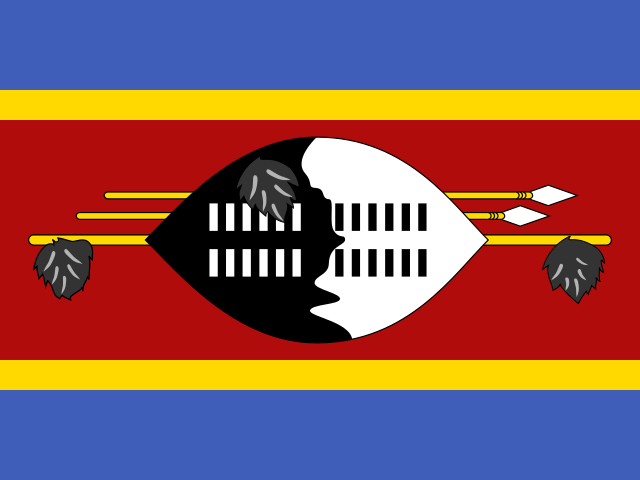
 Eswatini
Swazi Gold
Also called Swazi, Swaziland, Swazi Landrace, Eswatini Gold, Swazi Gold Landrace
Swazi Gold is the trade name for dagga grown in Eswatini, formerly Swaziland, where the plant is called insangu. Reporters and historians describe cultivation as long established, especially in the hills of the northern Hhohho region around Piggs Peak, and one thesis says Zulu groups reportedly travelled there for cannabis as far back as Shaka's reign. It became a regional cash crop in the late twentieth century, and by 2001 it was moving through Johannesburg to the Netherlands as 'Swazi gold'. Police operations and new roads cut into production in the early 2000s. One geographer argues that landraces like this are conserved mainly by private companies, without recognising farmers' rights. The name appears to rest on trade usage rather than a published description of one variety.
- Region
- Hhohho Region, northwest highlands near Piggs Peak
- How sure we are
- Mixed. Eswatini's cannabis farming and export trade are reported by reputable outlets, but 'Swazi Gold' is a trade name and no study defining a single traditional variety was found.
- Keep in mind
- Samples sold as Swazi Gold today are generally modern seed-bank lines or crosses rather than farmer-maintained Eswatini plants, and the name is a market label rather than a defined variety.
Timeline
- Early 1800s Around the reign of Shaka, Zulu groups reportedly trade into what is now Eswatini to obtain cannabis, according to a historian's thesis citing earlier work. Source
- 2001 Mail & Guardian reports that Swazi dagga travels via Johannesburg to the Netherlands as 'Swazi gold', and that police say about 70% of farmers in Hhohho grow it as a cash crop. Source
- 2002 Police in Swaziland and South Africa reportedly destroy about half of the northern crop, and a new road through Hhohho opens previously hard-to-reach areas (reported in 2003). Source
- 2016 Geographer Chris Duvall publishes a peer-reviewed paper arguing that African cannabis landraces are valued by commercial breeders but conserved mainly by private companies, without recognition of farmers' rights. Source
- 2021 The Guardian reports that small farmers in southern Eswatini still grow cannabis, while the country's only licence for cannabis and hemp production is held by a single US-based company. Source
Sources
- Paterson (2009), Prohibition & Resistance, Rhodes University MA thesis
- Mail & Guardian (2001), The pot at the end of the Swazi rainbow
- Inter Press Service (2003), James Hall, Swaziland dagga report
- IRIN / The New Humanitarian (2006), Swaziland cannabis report
- Duvall (2016), Drug laws, bioprospecting and the agricultural heritage of Cannabis in Africa, Space and Polity (abstract read)
- The Guardian (2021) on grandmothers growing cannabis in Eswatini, as listed by UNGASS on Drugs news digest
- Wikipedia, Cannabis in Eswatini (encyclopedia)
- Wikipedia, Eswatini (renaming of Swaziland, 19 April 2018)
All landrace strainsThe cannabis timeline
Written from the sources above. Informational only, not medical advice.